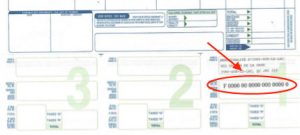
The median proportion and the comparative factor are based on sales in the territory of the Municipality during the previous year compared to the value indicated for the first year of the triennial roll. This data is prepared by the Laurentians RCM evaluator and approved by the Ministère des Affaires Municipales et de l’Occupation du Territoire (MAMOT). This data change each year based on sales and is used to establish “standardized value”.
This makes it possible to see where the Municipality’s assessment roll is in relation to the sales that are made on its territory. The main objective for the evaluator is to find a valuation near a factor of 1.00, that is, the price sold is as close as possible to the value of the property assessment (assessment roll).
If the selling prices are higher than the value on the assessment roll, this would indicate a comparative factor greater than 1.00.
For example: If it is set at 1.10 and your property is valued at $100,000, the standardized value is obtained by multiplying the value entered on the roll by the comparative factor, or: $100,000 x 1.10 = $110,000.
If the sales prices are lower than the municipal assessment, the factor is less than 1.00.
So, if the Municipality’s properties (properties and land) are selling for much more than their value on the roll, the comparative factor will be higher.
If in the next year, there is not as much difference between the municipal assessment and the value of sales, the comparative factor will decrease.
The median proportion, in turn, indicates in percentage terms that the municipal property assessment is in proportion to the so-called market value. It should tend to 100% but if for example, the sales amounts of the previous year were on average 10% higher than the municipal assessment of these buildings, the median proportion will be 91% (the municipal value corresponds to 91% of the market value).